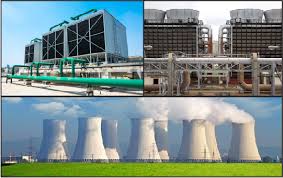
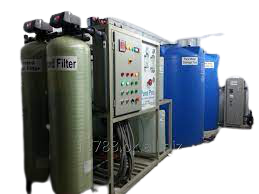
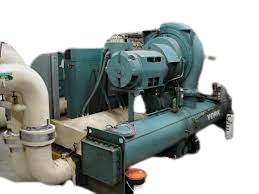
We understand the technicalities involved in operating high pressure steam systems in the industries. GTCS has comprehensive knowledge of the chemical recovery process and the importance of the operation of these boilers towards achieving product & quality, reduced process upsets, optimal system chemical balance, ultimately trouble free operation.
The need for chemical treatment in boiler systems has been well recognized even with the use of de-mineralized make-up water and proper mechanical de-aeration. The absence of minerals and other impurities in the make-up water prevent possible scale formation and enable your boilers to be operated at higher cycles; but corrosion, whether due to oxygen concentration, low pH or carbonic acid attack of the condensate lines, still requires chemical treatment.
Corrosion and deposition can damage your boiler tubes, super-heaters, and turbine blades; and may also lead to failures with serious consequences. Proper water pre-treatment in the demineralize plant and de-aeration system; together with the proper application of treatment chemicals for removal of dissolved oxygen, boiler pH control, boiler iron dispersion and condensate pH control will prevent potential problems and prolong equipment life. More importantly, steam supply to the process will be maximized, unscheduled down time minimized and power generated at the lowest cost per ton of steam.
In view of the above, GTCS strongly believes that chemical application alone will not be able to prevent or solve boiler related problems, but the total involvement of GTCS in understanding system operations, training and periodical reviews will be very important for a success of the treatment program.
Company Profile / Crisis Contact